First-Time Homebuyer Guide to Chicago: 2026 Edition
First-Time Homebuyer Programs in Chicago:


The Department of Housing offers a number of programs and services to prospective home buyers in the city of Chicago. Click the hyperlink to see if you qualify.
How Much Money You Need to Buy a Home in Chicago:
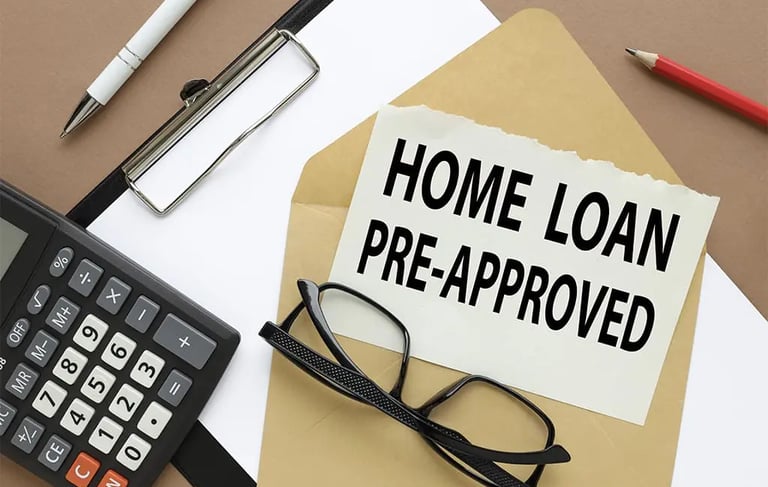
Most first-time homebuyers in Chicago should plan for roughly 3% to 10% of the purchase price in upfront cash, depending on the loan type and strategy. On a $400,000 home, that typically means anywhere from $12,000 to $40,000 total out of pocket.
This includes your down payment (as low as 3% for conventional loans or 3.5% for FHA loans), closing costs (2%–4%), and initial reserves. Many buyers are surprised to learn that you don’t always need 20% down—Chicago offers several programs and loan options that make homeownership far more accessible than most people think.
The exact number depends on your price point, credit profile, and whether you’re targeting condos, single-family homes, or multi-units—but the key is this: most first-time buyers in Chicago get started with far less cash than they expect.
Condo vs. Single-Family for First-Time Buyers in Chicago:


For first-time homebuyers in Chicago, choosing between a condo and a single-family home often comes down to budget, lifestyle, and long-term goals.
Condos are typically the most accessible entry point into the market. They offer a lower purchase price, reduced maintenance responsibilities, and prime locations in neighborhoods like Bucktown, Wicker Park, and Lakeview. Monthly HOA fees cover many exterior and common-area expenses, making budgeting more predictable—but buyers should carefully review HOA rules, reserves, and potential special assessments.
Single-family homes, on the other hand, provide more space, privacy, and long-term flexibility, but come with higher upfront costs and full responsibility for maintenance, repairs, and upkeep. In competitive Chicago neighborhoods, they also tend to move faster and require stronger offers.
For many first-time buyers, condos are the strategic starting point to build equity and enter desirable neighborhoods—while single-family homes are often the long-term goal once budget and lifestyle needs expand.
The right choice ultimately depends on how you want to live today—and how you plan to grow tomorrow.
Hidden Costs of Buying a Home in Chicago:


Most first-time homebuyers in Chicago focus on the down payment—but the real surprise often comes from the hidden and less-obvious costs that show up before and after closing.
Beyond your down payment, buyers should plan for closing costs (typically 2%–4% of the purchase price), which include lender fees, title insurance, attorney fees (standard in Illinois), and recording costs. In Chicago, you’ll also want to budget for property tax prorations, which can be significant depending on the neighborhood and timing of the purchase.
For condo buyers, monthly HOA assessments can vary widely and may include unexpected special assessments for building repairs or capital improvements. Single-family homeowners, meanwhile, take on full responsibility for maintenance, landscaping, snow removal, and repairs, which can add up quickly in a four-season city like Chicago.
Other often-overlooked costs include inspection fees, moving expenses, utility setup, and immediate post-closing updates or repairs that many buyers don’t anticipate until after they move in.
Best Chicago Neighborhoods for First-Time Buyers: